Ingredients
Spirulina benefits: what it is, what it may support and who should be careful
A plain-language guide to spirulina: what the blue-green alga is, how it differs from chlorella, what the research does and does not show, and how to choose a tablet or powder in Malaysia.
A note before we start
Every Age Health is an authorised Wellous dealer and we sell Spiro Plus, a spirulina tablet. This guide explains spirulina in general first, then shows where our product fits, so you can judge any spirulina product, ours or not.
What is spirulina?
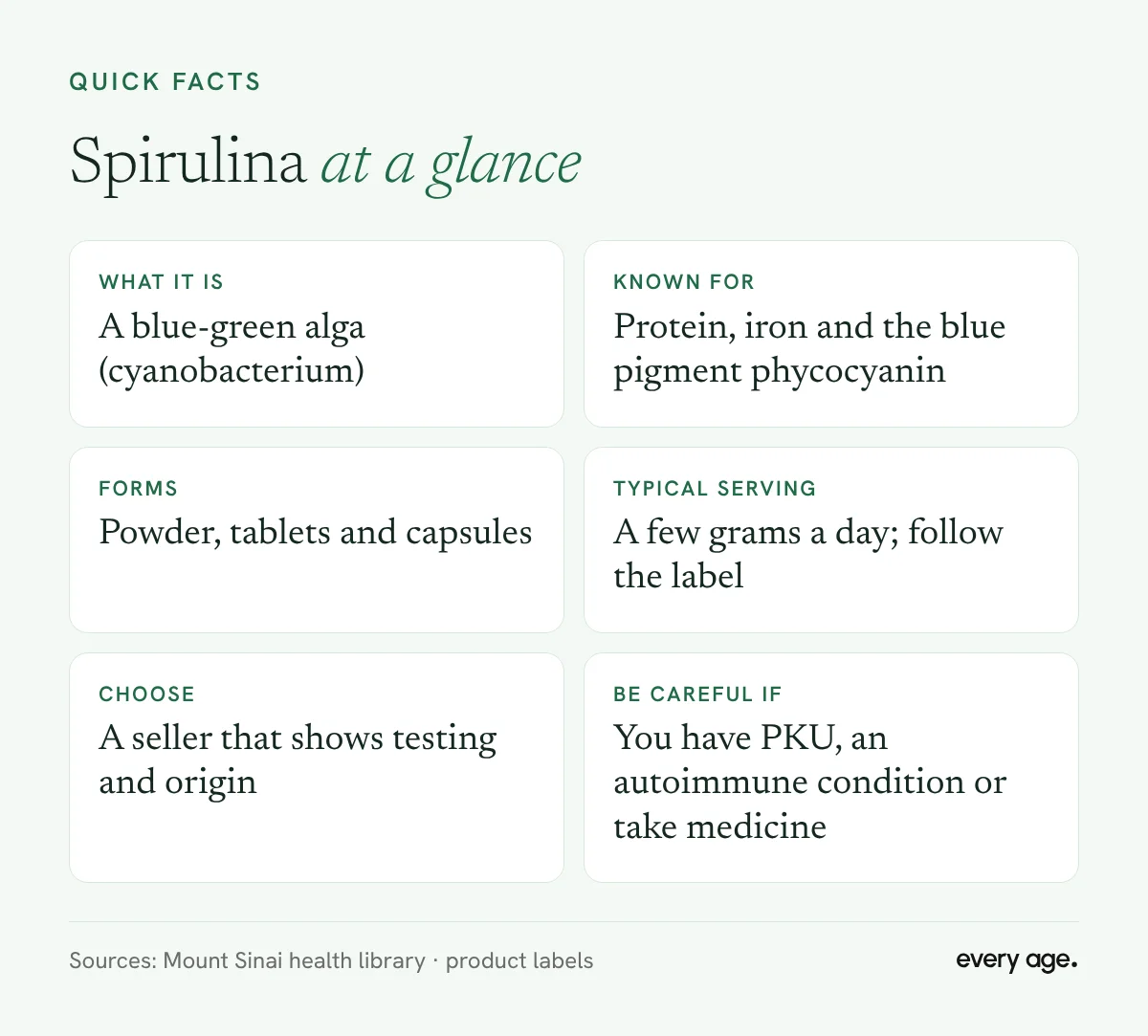
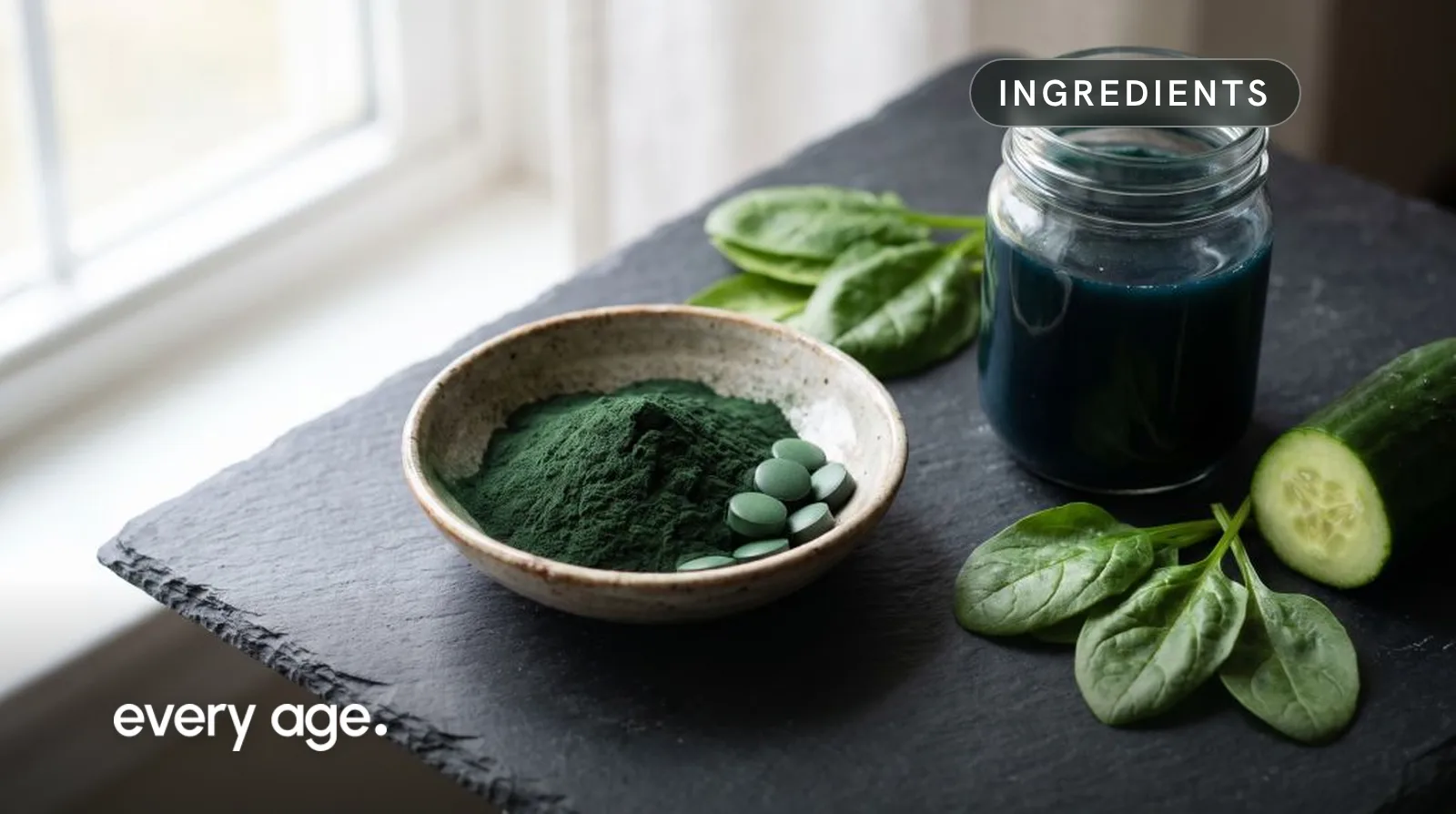
Spirulina is a blue-green alga, more exactly a cyanobacterium, that grows in warm, alkaline water. It is dried and sold as a powder, tablet or capsule. The blue pigment is called phycocyanin.
- Protein: spirulina is often described as protein-rich by dry weight
- Minerals and vitamins: it contains iron and B vitamins; the vitamin B12 in spirulina is mostly not in a form people can use, so do not rely on it as a B12 source
- Plant pigments: phycocyanin and chlorophyll
Spirulina benefits: what the research says
People take spirulina to support daily nutrition, especially when they eat few vegetables. Small studies have looked at antioxidant activity, blood fats, blood sugar and allergy symptoms, but most are short, small and not always well controlled.
In plain terms: spirulina is a nutrient-dense food supplement, not a proven treatment. Individual results vary, and no supplement replaces a balanced diet or medical care.
Spirulina vs chlorella
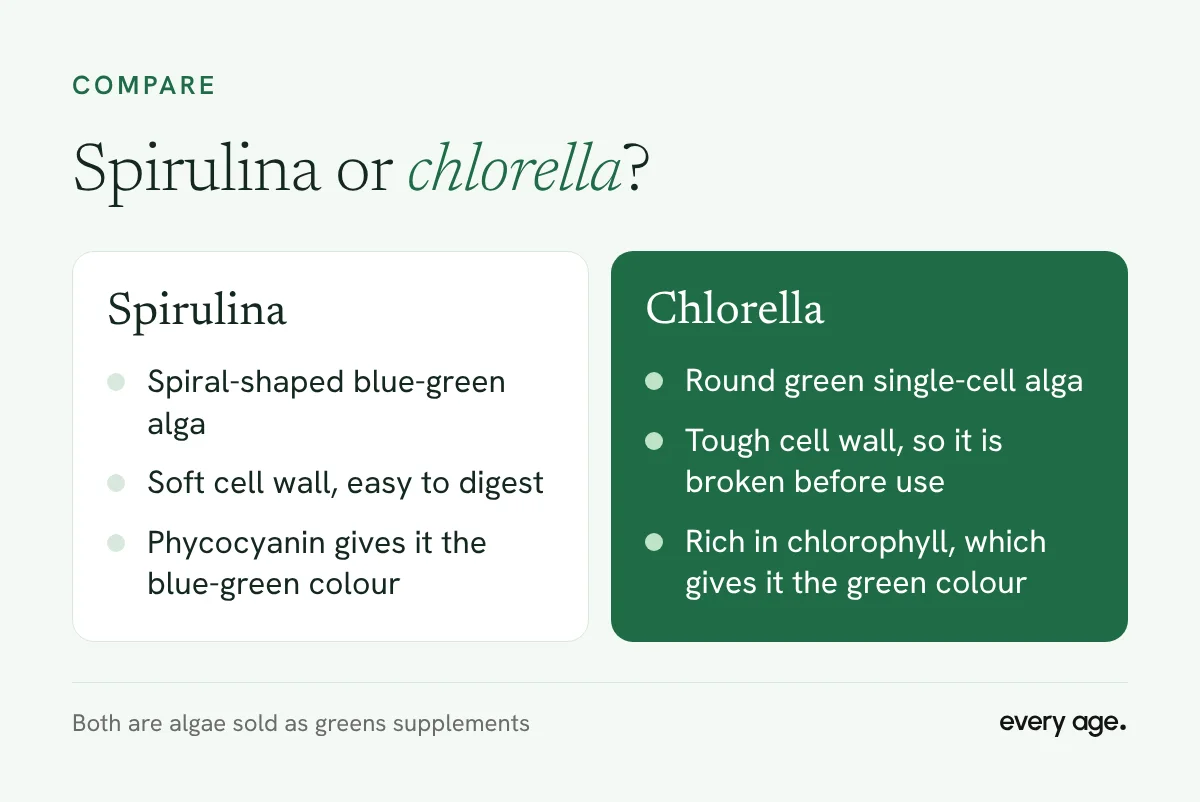
They are different algae with different cell structures. Chlorella has a tough cell wall, so it is processed to break it before use; spirulina has a soft wall. Many greens products combine both because they bring slightly different plant pigments.
Possible side effects and who should be careful
Most healthy adults tolerate spirulina, but some notice loose stools, nausea or bloating when they start. Spirulina can also be contaminated if it is grown or harvested badly (toxins such as microcystins and heavy metals have been found in some products), so quality matters.
Check with your doctor first if you:
- Have phenylketonuria (PKU): spirulina contains phenylalanine
- Have an autoimmune condition, or take immune-suppressing medicine
- Take blood thinners or other regular medicine
- Are pregnant or breastfeeding
- Are allergic to seafood or algae
How to choose a spirulina tablet or powder
- Origin and testing: a clear grower, and tests for heavy metals and microbes
- Amount per serving: compare the milligrams per day, not the number of tablets
- Ingredients list: fillers, sweeteners and colours should be named
- Seller: an authorised dealer with sealed stock and a clear return policy
- Price per day: divide the bottle price by the days it lasts
Where Spiro Plus fits
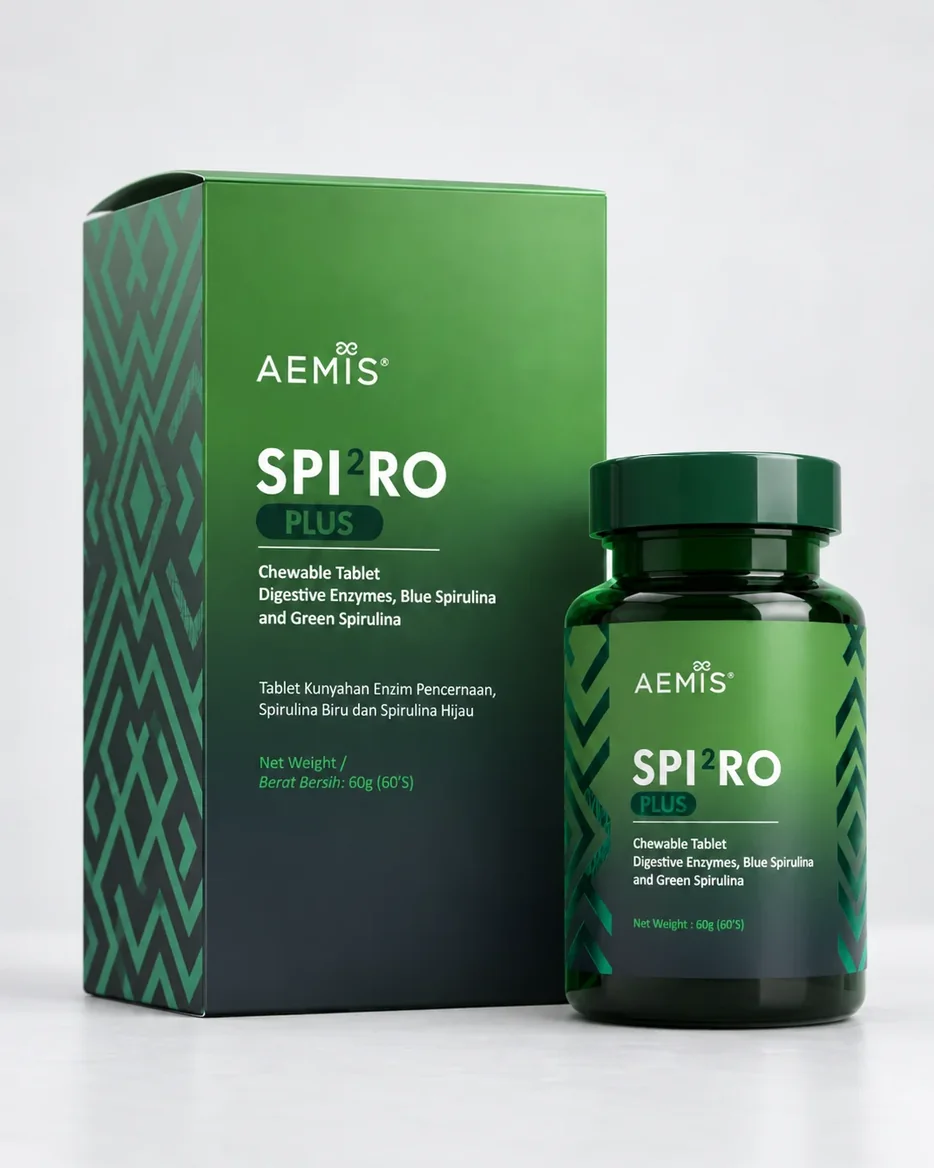
Spiro Plus is a bicolour chewable tablet that combines spinach, spirulina, chlorella and DigeSEB Pro digestive enzymes to support digestion, gut comfort and daily wellness. A bottle holds 60 tablets; take 1 to 2 tablets before sleep and drink plenty of water. One bottle is RM229, or RM199.67 a bottle when you buy three.
Kebaikan spirulina (ringkasan dalam Bahasa Melayu)
Spirulina ialah alga biru-hijau yang dijual sebagai serbuk, tablet atau kapsul. Ia sering digunakan untuk menyokong pemakanan harian, terutamanya jika anda kurang makan sayur. Kajian tentang kesan kesihatannya masih terhad, jadi ia bukan rawatan penyakit. Berbincang dengan doktor dahulu jika anda mempunyai fenilketonuria (PKU), penyakit autoimun, mengambil ubat tetap, atau sedang hamil atau menyusu.
Frequently asked questions
What are the benefits of spirulina?
Spirulina is a blue-green alga that people take to support daily nutrition. It contains protein, iron, B vitamins and phycocyanin. Research on health effects is limited, so it is a food supplement, not a treatment.
What is the difference between spirulina and chlorella?
Spirulina is a spiral blue-green alga with a soft cell wall. Chlorella is a round green alga with a tough cell wall that is broken before use. Many greens products combine both.
Does spirulina have side effects?
Some people notice loose stools, nausea or bloating when they start. Poorly grown spirulina can be contaminated, so buy from a seller that shows testing.
Who should not take spirulina?
Check with your doctor first if you have phenylketonuria, an autoimmune condition, take blood thinners or other regular medicine, are pregnant or breastfeeding, or are allergic to seafood or algae.
How do I take Spiro Plus?
Take and chew 1 to 2 tablets before sleep and drink plenty of water. One bottle has 60 tablets.
Products in this article
Keep reading
- IngredientsGymnema, mulberry leaf, banaba and bitter melon: what to know about plant ingredients for blood sugar support
- IngredientsPeria katak (bitter gourd) benefits: what research says about blood sugar, and how to eat it
- IngredientsMulberry leaf (daun mulberry) benefits: what studies show about blood sugar after meals
Sources
This article is general information, not medical advice. Wellous products are functional foods and supplements, not medicines. Consult your doctor if you are pregnant, nursing, take medication or have a medical condition.
All articles